
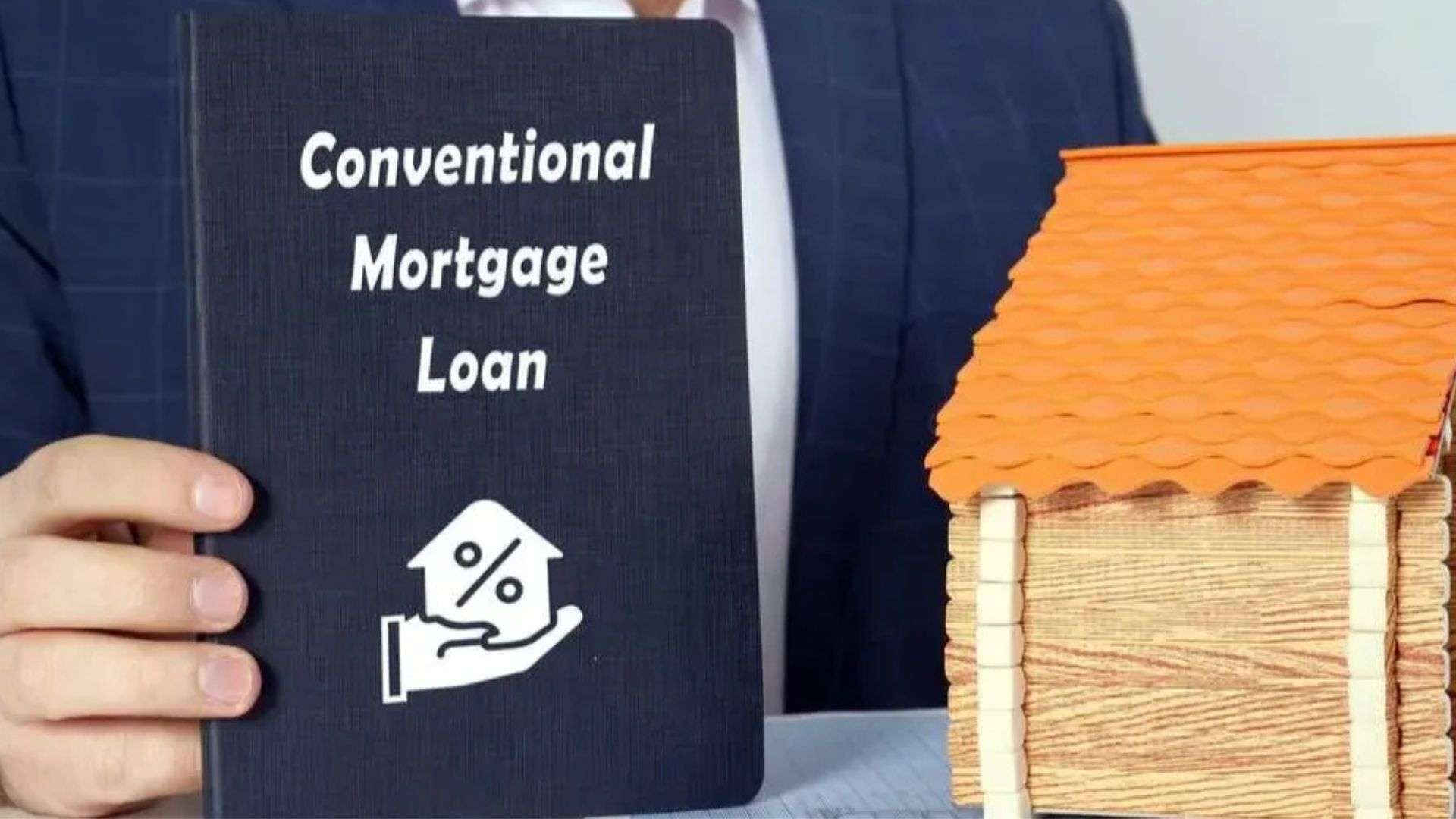
An FHA Loan or RHS loans are examples of mortgages that are guaranteed by federal government programs; conventional mortgage loans are not. Both conforming and nonconforming mortgages are available. Conforming loans satisfy the requirements of the government-sponsored private firms Freddie Mac and Fannie Mae. These businesses ensure conforming loans, which must fall inside specific parameters and adhere to regulations. This includes conventional loans; mortgages that are nonconforming don’t satisfy Freddie Mac and Fannie Mae’s criteria. A loan may be deemed nonconforming if it can be sold to another party or if it is too large to qualify as a conforming loan.
Conventional mortgage loans typically require a down payment of at least 5%, though some programs may allow for as little as 3% for qualified borrowers. Putting down 20% enables buyers to avoid private mortgage insurance (PMI), which can reduce overall monthly loan costs. The flexibility in down payment options makes conventional loans appealing for a wide range of homebuyers, from those seeking lower initial costs to those aiming to minimize long-term expenses.
What to Consider When Choosing a Traditional Lender
What characteristics ought a traditional lender have? Let’s look more closely.
- Stellar Reputation:
Particularly those on independent websites. Find out which lenders your family and friends have used and what they think of the lender you’re considering by asking them. - Technology:
Even if you don’t finish the mortgage application process entirely online, the correct technology can keep things moving along. Time might be saved if you can upload documents electronically or link your bank accounts to your lender. It is preferable to close as soon as possible. - Service:
Is the lender receptive to your inquiries? Will the lender give you information about your options? A reputable lender will assist you in making the best choice possible. - History:
Analyzing a conventional lender’s past enables you to see how frequently these businesses sell the loans they produce. If the lender frequently sells its loans, passing you along to a different servicer who might not be as accommodating or helpful, you might want to avoid them if you choose the lender because you enjoyed their level of customer service.
See what you qualify for


Top 5 Tips For Finding the Best Conventional Lender
How can you locate the top traditional lender? Here are five suggestions.
- Know your credit
Every year, you are entitled to a free copy of your credit report from each credit bureau. Get a copy, check it for errors, then return it. Get your credit score if you haven’t already. This makes it easier for you to anticipate rates. - Make many lender contacts
Although it may be tempting to only speak with one lender, it is advisable to speak with at least three. Knowing your options will help you discover the best price. - Request the same estimate from all lenders
Give each lender the same details on your assets, income, and credit score. To make price comparisons simple, request quotations from the same product from each lender. Making apples-to-apples comparisons is more difficult if you receive quotes for 30-year mortgages from one lender and quotes for 15-year mortgages from another. - Look over your quotes
Take a close look at each quotation. Examine any fees, points, or discounts. - Negotiate
Find out whether your favorite lender may reduce your rate or waive any fees. Asking has no negative effects. Keep in mind that your lender will profit greatly from the interest on your loan; therefore, they can afford to pay you anything back.
Conventional loans remain one of the most popular mortgage options for qualified borrowers. Explore our conventional loan resources for more guides and updates.
FHA Mortgage Vs Conventional Loan
Feature | FHA Mortgage | Conventional Loan |
|---|---|---|
Insurance | Backed by the Federal Housing Administration | Not government-insured |
Credit Score Requirement | Typically requires a minimum score of 580 | Usually requires a higher credit score, generally 620+ |
Down Payment | As low as 3.5% | Often 5% or higher, 20% to avoid PMI |
Private Mortgage Insurance | Required for down payments less than 20%; remains for the loan’s life | Required if down payment is less than 20%; can be canceled once 20% equity is reached |
Debt-to-Income Ratio | More lenient, allowing higher ratios | Generally stricter limits |
Interest Rates | Typically higher due to lower credit score thresholds | Often lower for borrowers with good credit |
Loan Limits | Conforming limits, but lower than some conventional loans | Conforming and non-conforming options available; higher limits possible |
Ideal For | First-time buyers, those with lower credit scores and smaller savings | Borrowers with strong credit and larger savings |
Flexibility | Limited; more regulations on home appraisal and property conditions | More flexible regarding home types and conditions |
Fees and Costs | Mortgage insurance premium (MIP) is added upfront and annually | No upfront insurance fee; closing costs can be negotiated |

Do I Qualify for Conventional Mortgage Loans?
Depending on your capacity to make a down payment and your credit score, a conventional mortgage loan may be the best option for you. You can decide if a conventional mortgage is the best option with the assistance of a reputable conventional lender like Dream Home Mortgage. You can also turn your dream into a reality by simply getting in touch with us by booking our free 30-minute consultation session. If so, it may also direct you to the best traditional loan. Find the ideal mortgage option, for you exploring different types of conventional mortgage loans available.
For instant updates follow Dream Home Mortgage on social media handles. 


